There is nothing quite like a Canadian summer weekend. Whether you are heading to the sun-soaked shores of Grand Bend, setting up a picnic along Okanagan Lake, or catching the coastal breeze at Sandbanks Provincial Park, a weekend by the water is the ultimate way to unwind.
However, any seasoned Canadian outdoor enthusiast knows that waterfront conditions can change in a flash. A perfectly calm morning can quickly turn into a windy, high-UV afternoon. To truly enjoy your day without constantly fighting the elements, preparation is everything.
A small trade show booth can feel crowded quickly when you have clothing racks, seasonal collections, accessories, and branding competing for the same space. But a limited exhibition area doesn't mean you have to compromise on how your clothing is presented.
With the right retail clothing trade show booth ideas, even a compact 10×10 space can become an organized, inviting showcase for your brand. The key is to display your strongest pieces where buyers can see them, make collections easy to browse, and leave enough room for conversations.
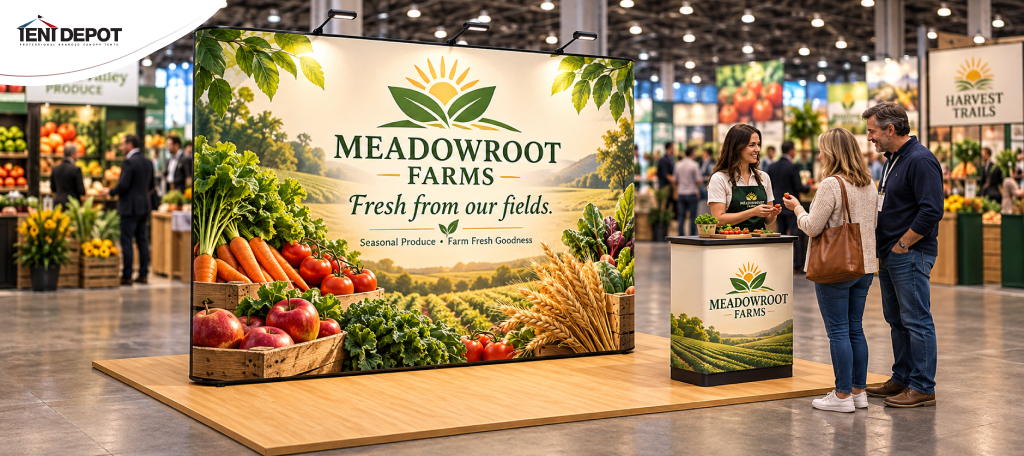
Your first farmers market booth doesn't need expensive fixtures or a complicated layout. It needs to make three things easy: finding your stall, understanding your products, and making a purchase.
Good farmers market booth planning starts with knowing your space, choosing practical equipment, and arranging products around how customers shop. Here's how to prepare a functional, professional stall for Canadian outdoor markets.
A canopy tent should keep rain off your products, equipment, and guests, not collect it overhead. Yet after a heavy shower, you might notice the roof dipping under a pocket of water. That extra weight can stretch the fabric, strain the frame, and eventually lead to leaks or damage.
Water pooling on canopy tent roofs usually starts with loose fabric, insufficient roof tension, or a frame that isn't properly extended. Understanding which part is causing the problem can save you from replacing an otherwise usable canopy.
Local businesses compete for attention every day. A potential customer may walk past your storefront, drive through your neighbourhood, attend a nearby event, or visit another business on the same street without knowing what you offer.
Banners for businesses provide a practical way to improve local visibility. With the right message and placement, a banner can help people recognise your business, understand your services, notice a promotion, or find your location.
The most effective custom business banners do more than display a logo. They communicate one clear message to the right audience at the right time.
Getting people to an open house is not always easy. You can promote the event online, put out signs, prepare the space, and still wonder how many people will actually stop by.
That is where custom canopy tents for open houses can help. A well-placed canopy makes your event easier to notice, gives visitors a clear place to approach, and creates a more organized setup from the moment they arrive.
For open houses across Canada, where weather and outdoor conditions can change quickly, a canopy can also provide a useful covered area for welcoming guests, sharing information, and starting conversations.
So, how can canopy tents increase foot traffic? It starts with getting noticed.
Most Canadian exhibitors don't get a big island booth. They get a 10x10 space between two neighbours, a draped back wall, and a few seconds to catch someone walking past.
Bringing more banners, tables, and products usually backfires because a crowded booth feels hard to step into.
These small trade show booth ideas for Canadian businesses focus on what makes the difference: layout, visitor movement, clear messaging, and planning around your show's rules.
The forecast looked fine when you loaded the van. By early afternoon, the wind is tugging at your canopy, clouds are rolling in, and customers are heading for their cars.
Knowing what to do when the weather changes during an outdoor event is part of running a booth, especially in Canada, where spring and fall conditions can shift quickly. Good event weather planning is not just about checking the forecast before you leave home. It is about having a clear response once conditions change.

 Canadian Owned |