
 Canadian Owned |

Outdoor Waterproof Event Tents for Vancouver's Rainy Season

Vancouver's rain can change outdoor event conditions quickly. Even when the forecast looks manageable, steady showers, damp ground, and wind-driven rain can affect guest comfort, displays, equipment, and the overall flow of an event. Choosing an outdoor event tent for rainy weather Vancouver businesses and event organisers can rely on means looking beyond the roof itself.
The right setup should consider the tent fabric, sidewalls, frame, anchoring, available floor space, and how people will move through the covered area. With those details planned in advance, an outdoor market, festival, corporate gathering, or vendor event can remain comfortable even when British Columbia weather does not cooperate.
|
|
|
Start With the Weather, Then Build the Tent Around It
Rain protection begins with understanding how the tent will actually be used. Light showers require different preparation from prolonged rain combined with strong winds. Events where guests remain underneath the structure for several hours also need more thoughtful coverage than short promotional stops.
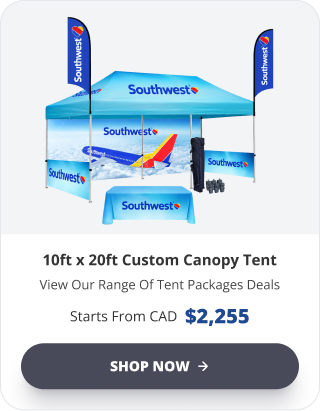
For Vancouver events, think about where rain is likely to enter from the sides, where guests will stand, and whether merchandise or equipment needs additional protection. This is where an outdoor event tent with sidewalls can provide an advantage over an open canopy because the walls help create a more enclosed and sheltered event space.
The Roof Is Only the Beginning
Water falling directly onto the canopy is only part of the problem. Wind can push rain underneath the roof, particularly when the event is held in an exposed area.
Sidewalls can help reduce this exposure while giving organisers more control over the covered space. Depending on the layout, walls can be installed around selected sides rather than completely enclosing the tent. This approach can maintain an entrance while providing additional protection where it matters most.
For events expecting frequent rainfall, comparing a waterproof event tent with an open-style canopy is useful. The better choice depends on the duration of the event, expected weather, and how much protection visitors and equipment require.
Look at the Fabric Instead of Relying on the Label
Not every canopy fabric handles wet conditions in exactly the same way. Before choosing a waterproof outdoor event tent, check the material, coating, construction, and package specifications rather than relying only on terms such as waterproof or weatherproof.
Common considerations include water resistance, UV protection, fabric weight, seams, and how the canopy is designed to handle outdoor use. Some commercial canopy options use 600D polyester, while material treatments can vary by package.
That distinction matters because an outdoor canopy tent for rain needs to do more than keep water from falling through the centre of the roof. The complete setup should work together to manage rain, wind, entrances, and areas where water may collect.
Give Visitors Enough Room to Move
Comfort is not only about staying dry. Crowded entrances, narrow walking areas, and people standing directly beside displays can make a rainy event feel much smaller than it actually is.
Consider the activities taking place beneath the tent before deciding on dimensions. A vendor selling products may need room for tables and customer movement, while a corporate activation could require space for people to enter, speak with staff, and leave without blocking others.
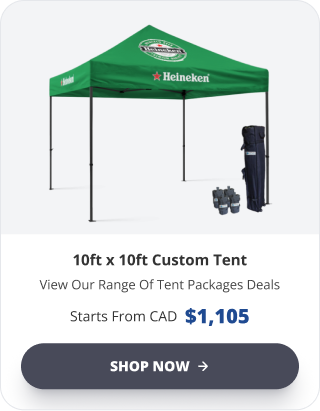
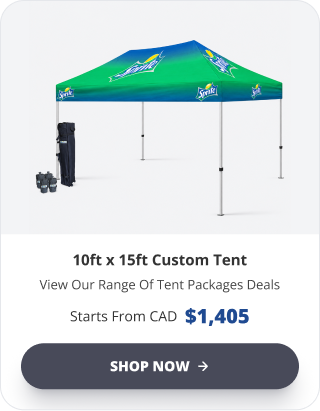
For smaller events, a 10x10 outdoor event tent can provide a practical footprint. Larger displays or multiple tables may benefit from 10x15 or 10x20 configurations. The objective is to create enough usable covered space rather than simply choosing the largest available size.
Keep Products Away From the Trouble Spots
Rain can create problems even when the main display remains under cover. Water entering from an open side can reach merchandise, promotional materials, electrical equipment, packaging, or furniture.
Placing important items farther away from exposed edges can reduce this risk. Sidewalls can also help separate customer areas from the wet conditions outside.
For branded events, custom printed canopy tents can combine the need for weather coverage with visible event branding. The practical priority, however, should remain protecting people and equipment first.
Rain and Wind Need Different Preparations
Heavy rain and strong wind create separate challenges. While canopy coverage helps with rainfall, the structure also needs suitable anchoring for outdoor conditions.
Depending on the surface and event location, organisers may use stakes, ropes, sand bags, or other appropriate anchoring accessories. The correct method depends on the tent configuration and ground conditions.
Commercial-grade frames can also be worth considering for organisations that regularly attend outdoor events. Available frame options can include aluminium and steel constructions, with the appropriate choice depending on how frequently the tent is transported, assembled, and used.
Match the Tent to the Vancouver Event
Different events place different demands on an outdoor shelter. Consider these common scenarios:
| Event Type | Useful Considerations |
|---|---|
| Outdoor Market | Sidewalls, customer access, merchandise protection |
| Festival | Strong anchoring, visitor flow, larger covered areas |
| Corporate Event | Branding, organised layout, guest comfort |
| Vendor Booth | Display space, weather protection, easy access |
| Community Event | Flexible configuration, seating, rain coverage |
An event tent with side walls can be particularly useful when visitors need to remain underneath the structure for longer periods. Open configurations may make more sense when quick access from multiple directions is more important.
Choose the Frame for How Often You Will Use It
Frame construction becomes increasingly important when a tent is used repeatedly. Frequent setup and transportation can place more demands on the structure than occasional use.
When comparing options, look at frame material, construction, portability, and the way the complete package is assembled. Aluminium frames can provide a lighter option for organisations that frequently transport their equipment, while steel configurations may suit particular applications where a different balance of weight and structure is preferred.
The best choice depends on the event schedule and handling requirements rather than one material being universally better.
Build a Rain-Ready Setup Before Event Day
Waiting until the morning of the event to test the setup can create unnecessary problems. Assemble the tent beforehand and check how the walls attach, where entrances will be positioned, and whether tables or displays interfere with movement.
It is also worth checking the ground conditions and confirming that the planned anchoring method suits the venue. Keep essential event supplies protected from moisture and make sure staff know which areas should remain clear.
Small preparation decisions can make a significant difference when Vancouver rain arrives during the event.
Plan for Vancouver Weather Before Event Day
Choosing a canopy tent for rainy weather should involve more than searching for the most water-resistant roof. Fabric, sidewalls, frame construction, anchoring, size, visitor movement, and event purpose all contribute to how well the shelter performs.
For businesses and event organisers comparing options, Tent Depot provides different canopy configurations that can be considered around event size, wall requirements, frame construction, and branding needs. The most suitable setup is ultimately the one that matches the conditions and activities expected underneath it.
Planning around Vancouver's weather rather than treating rain as an afterthought makes outdoor events easier to manage. With the right coverage and preparation, organisers can create a more comfortable space for visitors while keeping displays, products, and event equipment better protected.
Frequently Asked Questions
What type of tent is best for rainy outdoor events in Vancouver?
A weather-resistant event tent with suitable sidewalls can provide better protection than an open canopy when rain is expected from multiple directions. Fabric specifications, wall coverage, frame construction, and anchoring should all be considered together.
Are sidewalls important for outdoor events in the rain?
Yes. Sidewalls can help reduce wind-driven rain entering from the sides and provide additional shelter for guests, displays, and equipment. They can also be configured selectively depending on the event layout.
Is a waterproof canopy tent completely protected from rain?
No tent should be treated as completely immune to challenging weather conditions. Performance depends on the fabric, seams, setup, anchoring, wall configuration, wind, and how the tent is used.
What size tent should I choose for a Vancouver event?
Start with the activities taking place underneath the structure. A 10x10 tent may work for a compact vendor setup, while larger events may need 10x15 or 10x20 coverage for tables, displays, staff, and visitor movement.
How should an outdoor tent be anchored in rainy weather?
Anchoring should match the surface, tent configuration, and expected conditions. Depending on the location, suitable options can include stakes, ropes, or weighted accessories such as sand bags.
Can custom printed tents work for rainy outdoor events?
Yes, custom printed canopy options can provide event branding while also creating a covered area. Weather protection should still be evaluated based on the specific fabric, walls, frame, and configuration.
What should I check before setting up an event tent in Vancouver?
Check the forecast, ground conditions, tent size, fabric specifications, wall configuration, anchoring method, entrance position, and available space. Testing the setup before event day can also help identify practical issues before guests arrive.
-
Small Trade Show Booth Ideas for Canadian Businesses
 October 6, 2026
-
What to Do When the Weather Changes During an Outdoor Event
 October 2, 2026
-
Trade Show Booth Ideas to Attract Visitors
 September 29, 2026
-
Premium Retractable Banner Design Stands: What to Look For Before You Buy
 September 23, 2026
-
Outdoor Waterproof Event Tents for Vancouver's Rainy Season
September 17, 2026